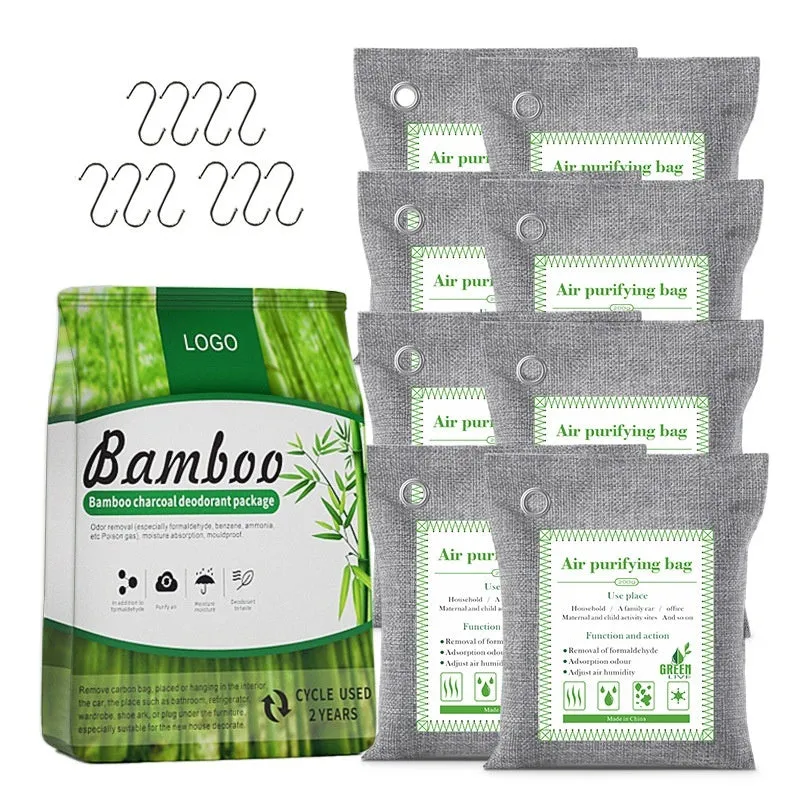
Bamboo charcoal bags for formaldehyde removal and fresh air in new houses, available in 100g, 200g and 500g sew-style packs with single or 5-pack purchase options


Bamboo charcoal bags for formaldehyde removal and fresh air in new houses, available in 100g, 200g and 500g sew-style packs with single or 5-pack purchase options
Bamboo charcoal air purifier bags in 100g, 200g and 500g sizes for household formaldehyde and odour control
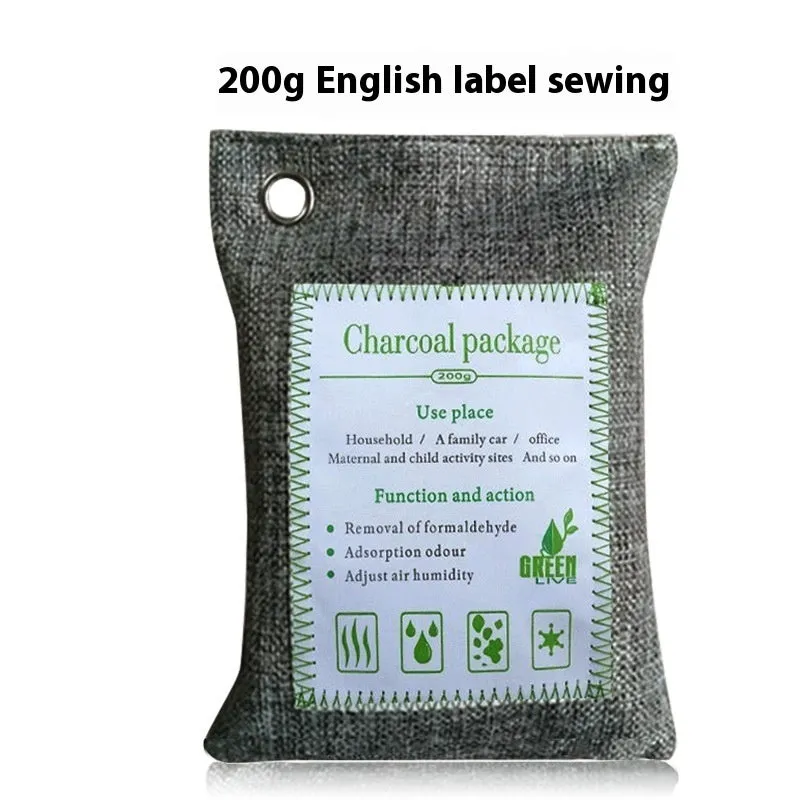
These bamboo charcoal bags provide a simple, non-electric method for addressing air quality concerns in domestic settings. They are particularly mentioned for use in new houses, where materials may release formaldehyde and other volatile compounds over time. The sewn fabric bags contain bamboo charcoal, which functions through physical adsorption to help capture airborne molecules. The product is offered in three weight variations and two purchase quantities, allowing for flexibility based on room size and coverage needs. No performance claims, coverage areas, or replacement schedules are specified in the available information.
Features and Construction
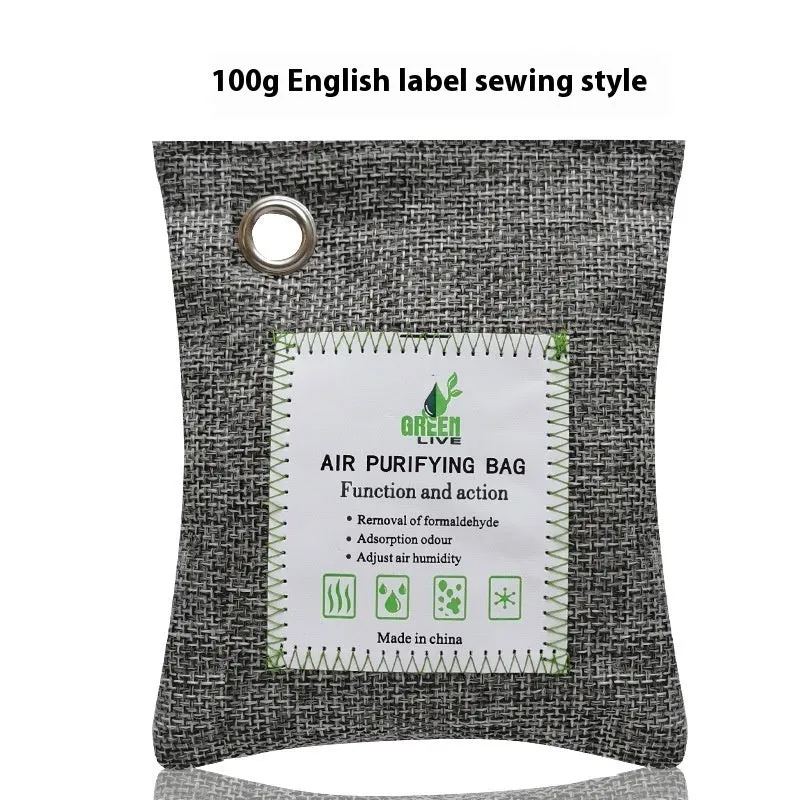
The core design centres around bamboo charcoal enclosed in fabric bags. This construction allows air to circulate through the permeable material while containing the charcoal granules. The sewing style mentioned indicates a stitched closure that keeps the contents secure.
Material and Build
Bamboo charcoal is the active component, a form of activated carbon known for its high surface area and porosity. These properties enable it to adsorb various gases and odours through physical attraction. The charcoal is housed within fabric bags, which are sewn shut. The fabric likely allows for adequate airflow while preventing charcoal dust from escaping into the room.
Size and Practical Fit
Three distinct weight options are provided: 100g, 200g, and 500g bags. These different sizes suggest varying capacities suitable for different spaces, from small cabinets to larger rooms. The bags are presumably designed to be placed discreetly on shelves, in cupboards, or under furniture. The two purchase options—single bags or packs of five—offer flexibility for treating multiple areas or maintaining a supply for rotation.
Uses and Placement
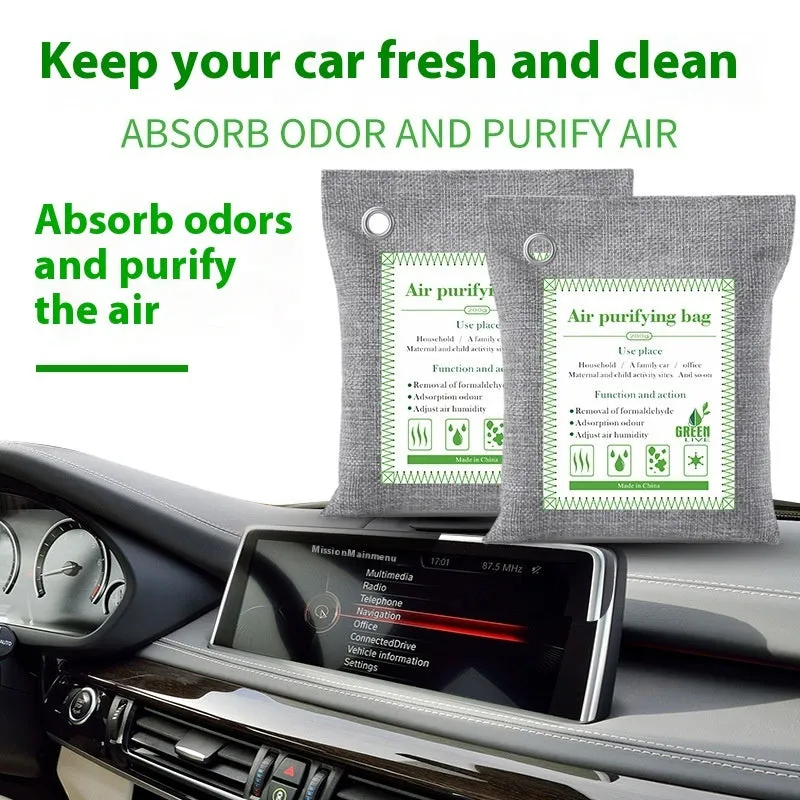
The primary stated use is formaldehyde removal and air freshening in new houses. However, the adsorption properties of bamboo charcoal could be applicable to a range of household odour sources.
Event or Professional Use
While the source specifically mentions household use, similar products are sometimes used in other enclosed spaces requiring odour management. These might include caravans, boats, offices after renovations, or storage units where musty smells can develop. The lack of electrical components makes them suitable for areas without power outlets.
Everyday Home Use
In a typical home, these bags can be placed in areas prone to odours: kitchens near bins, bathrooms, pet areas, wardrobes with stored clothes, or newly furnished rooms. The reference to new houses suggests placement near furniture, carpets, or building materials that can off-gas. The different bag sizes allow for strategic placement: smaller bags in drawers or cars, larger ones in living areas or bedrooms.
Benefits and Buying Value

The value proposition rests on a simple, reusable approach to air quality management without ongoing costs like electricity or replacement filters.
Reuse and Low Maintenance
Bamboo charcoal can often be rejuvenated by placing it in sunlight, which may release adsorbed moisture and some volatile compounds. This potential for reuse extends the product's functional life. Maintenance involves no moving parts, batteries, or technical knowledge—simply placing the bags and occasionally airing them if recommended.
Why Choose This Product
The choice hinges on needing a passive, low-maintenance air treatment method. The three weight options and bulk purchase choice provide adaptability. For those concerned specifically about formaldehyde in new builds or renovations, the product directly addresses that stated concern. The absence of perfumes or chemicals may appeal to households preferring a non-scented approach to air freshening.