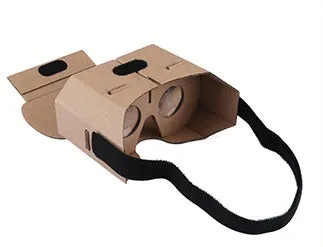
Virtual reality glasses for smartphones with 3D movie and mobile game viewing, compatible with Android and iOS devices from 3.5 to 6 inches screen size, made from smooth-surface A-grade corrugated paper construction for students and general use.


Virtual reality glasses for smartphones with 3D movie and mobile game viewing, compatible with Android and iOS devices from 3.5 to 6 inches screen size, made from smooth-surface A-grade corrugated paper construction for students and general use.
Smartphone Virtual Reality Glasses for 3D Movies and Games on Android and iOS Devices
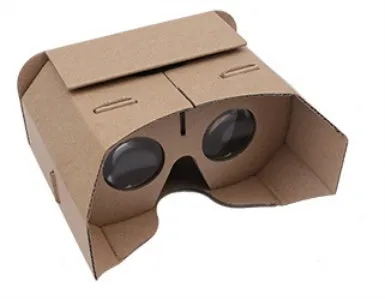
These virtual reality glasses offer a simple entry point into viewing 3D content using your existing smartphone. Designed as a smart wearable accessory, they convert your mobile device into a personal viewer for 3D films and mobile games. The product is aimed at a broad user base, including students and general staff, providing an economical option for experiencing basic virtual reality visuals. Compatibility is a key focus, with support for both iOS and Android operating systems and a design that accommodates phones with screen widths from 3.5 inches up to 6 inches. The construction utilises A-grade corrugated paper, chosen for its ability to create a lightweight yet structured frame with a smooth surface finish.
Features and Construction
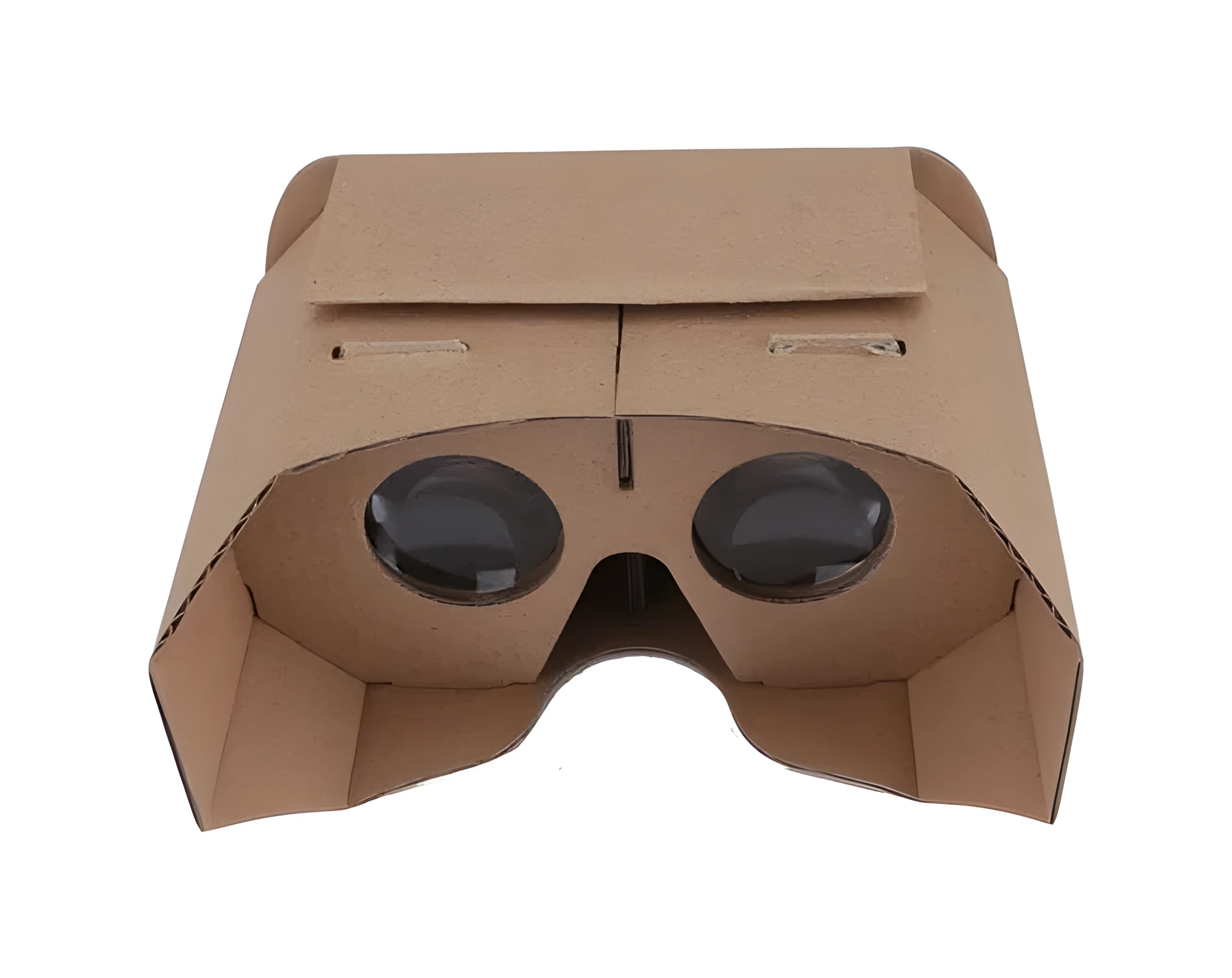
This viewer combines specific technical compatibility with a straightforward physical build to deliver its core 3D viewing function.
Material and Build
The frame is made from A-grade corrugated paper, a material selected for its rigidity and low cost. The source text notes the surface is smooth and free from common manufacturing flaws such as collapse, wrinkles, or stratification. This results in a consistent and stable structure to hold the smartphone and align it with the user's eyes, though the material's properties suggest it is suited for casual, indoor use rather than rough handling.
Size and Practical Fit
The glasses have an appearance size of 153 by 83 (specific unit not provided in source), which defines the external footprint of the unit. Its internal design is engineered to securely hold a wide range of smartphones. The key compatibility specification is that it fits any mobile phone with a screen width between 3.5 inches and 6 inches, covering many common phone models. This wide range ensures most users will find their device is supported without needing precise measurements.
Uses and Placement

The primary value of these glasses lies in enabling specific 3D experiences with minimal setup or additional equipment.
Event or Professional Use
While primarily for individual entertainment, the affordability and simplicity could make these suitable for educational demonstrations or promotional events where basic 3D visualisation is needed. Their compatibility with common media formats (WMV, RMVB, ASF, AVI, MPG, WMA, RM, WAV) means content can be prepared in standard files. The support for a 1080 camera input and NTSC video format indicates a baseline level of technical specification for video playback.
Everyday Home Use
For the general user, these glasses provide a way to watch 3D movies or play compatible 3D mobile games from the comfort of home. The experience is self-contained, requiring only the glasses, a compatible smartphone, and the appropriate 3D content. The design, being made of paper, is lightweight and easy to store when not in use, making it a low-commitment option for occasional entertainment.
Benefits and Buying Value

The product's appeal is based on practical access to 3D viewing rather than high-end specifications or premium materials.
Reuse and Low Maintenance
The corrugated paper construction implies minimal maintenance is required beyond keeping the unit clean and dry. There are no complex mechanical parts or electronics within the glasses themselves to malfunction; the functionality is provided entirely by the user's smartphone. This design approach focuses the value on the initial purchase and content, rather than ongoing upkeep.
Why Choose This Product
This product is a relevant choice for users seeking an inexpensive and simple method to try smartphone-based 3D viewing. Its broad compatibility with both major mobile operating systems and a wide phone size range reduces the risk of it being incompatible with your device. The supported media formats are common, avoiding the need for specialised file conversion for basic use. It represents a specific type of value: providing the core hardware structure for VR viewing at a likely accessible price point, as suggested by the source text's mention of 'small price'.