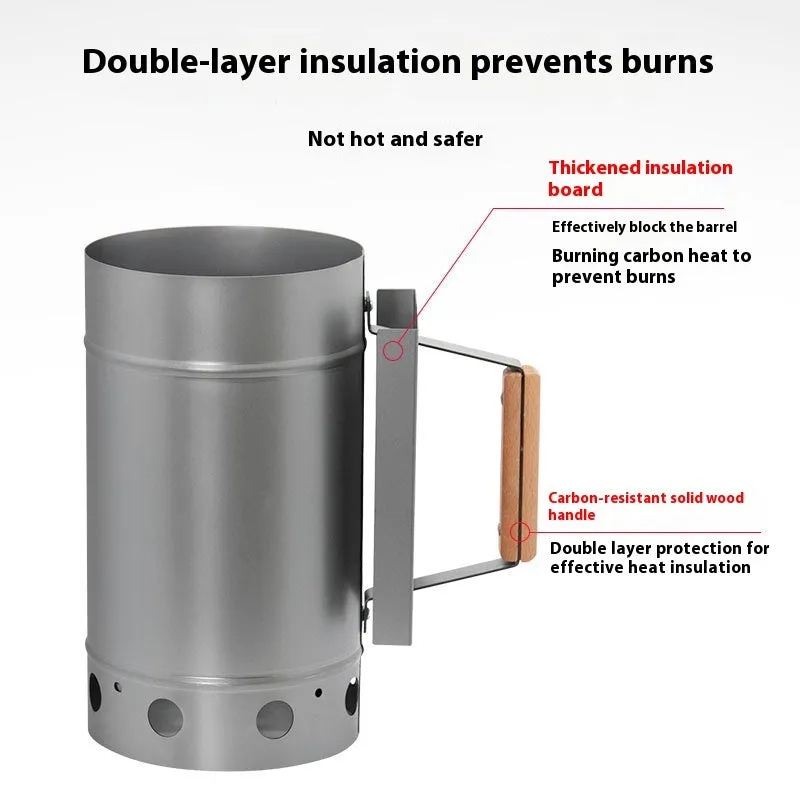
Outdoor barbecue charcoal fire starter barbecue igniter tool zinc-iron alloy carbon bucket design for efficient charcoal ignition with up to 4 hours burning time


Outdoor barbecue charcoal fire starter barbecue igniter tool zinc-iron alloy carbon bucket design for efficient charcoal ignition with up to 4 hours burning time
Zinc-iron alloy barbecue charcoal fire starter with carbon bucket design and 4-hour burn time
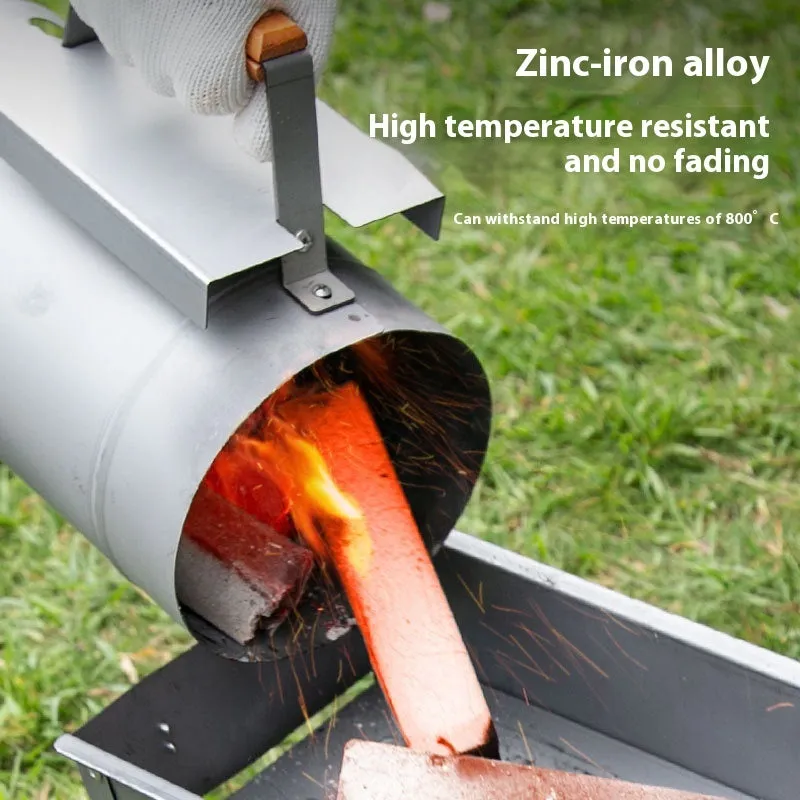
Lighting charcoal for barbecues can be inconsistent and often relies on lighter fluid or paper, which can be messy and potentially hazardous. This barbecue fire starter provides a dedicated tool for the task, constructed from zinc-iron alloy to withstand the high temperatures involved. Its carbon bucket style is designed to concentrate heat upwards, promoting more efficient ignition of the charcoal above. With a stated maximum burning time of up to four hours, it offers a substantial window for getting your coals ready for cooking, providing a hands-free and controlled ignition method once lit.
Features and Construction
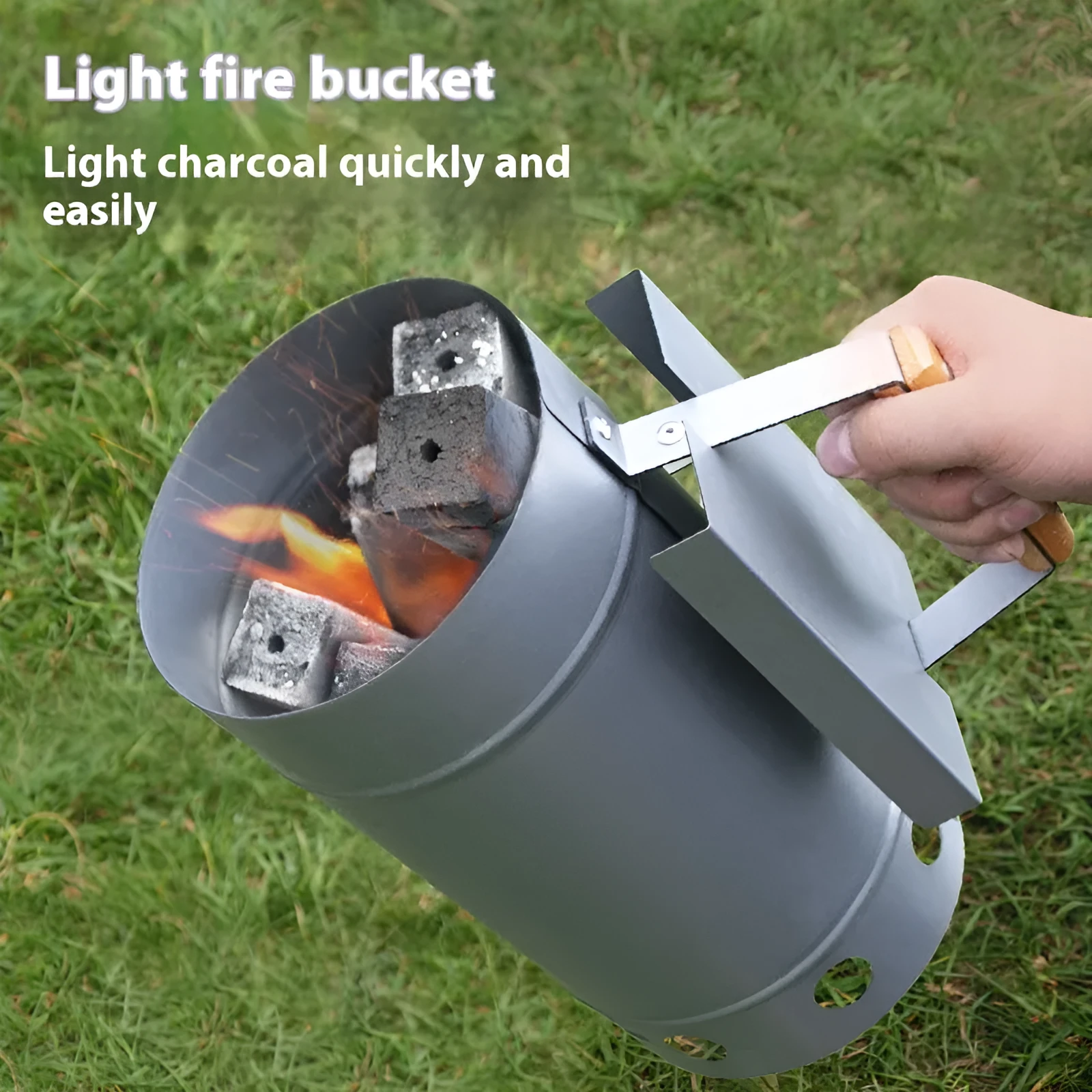
The fire starter is built around practical materials and a design focused on its specific use case. The construction details provided indicate a product made for repeated outdoor use, with key features centred on heat management and durability.
Material and Build
The core material is zinc-iron alloy, a metal chosen for its ability to resist the high temperatures generated during the charcoal ignition process. This material choice suggests a construction aimed at longevity and repeated use, as it is less likely to warp or degrade quickly compared to thinner metals. The product's style is described as a carbon bucket, which forms the main body of the unit and acts as the combustion chamber where the initial fuel burns to generate the heat for ignition.
Size and Practical Fit
While exact measurements are not specified, the carbon bucket design implies a contained unit that can be placed directly beneath a standard charcoal grate or within a barbecue kettle. The design focuses on creating an upward column of heat, making the physical size less critical than the thermal output it generates. It is intended to be a standalone tool that sits on a stable surface, requiring no permanent installation or modification to your existing barbecue setup.
Uses and Placement

This tool serves a clear function within outdoor cooking and is suited to various settings where charcoal barbecuing is preferred. Its use is defined by the ignition process, offering an alternative to traditional methods.
Event or Professional Use
For larger gatherings or professional catering events where multiple barbecues might be lit in succession, a dedicated igniter can streamline the setup process. The four-hour burn time allows for a long, sustained heat source, which can be useful for lighting large quantities of lump charcoal or for situations where coals need to be ready over an extended period. Its self-contained design means it can be moved to different locations as needed, provided it is completely cool before handling.
Everyday Home Use
For the home enthusiast, this fire starter reduces the need for chemical accelerants, potentially leading to a cleaner taste in food as no lighter fluid fumes come into contact with the charcoal. It provides a consistent and repeatable method for lighting the barbecue, which can be particularly helpful for less experienced users. The unit is stored away when not in use and brought out specifically for the ignition phase of cooking.
Benefits and Buying Value
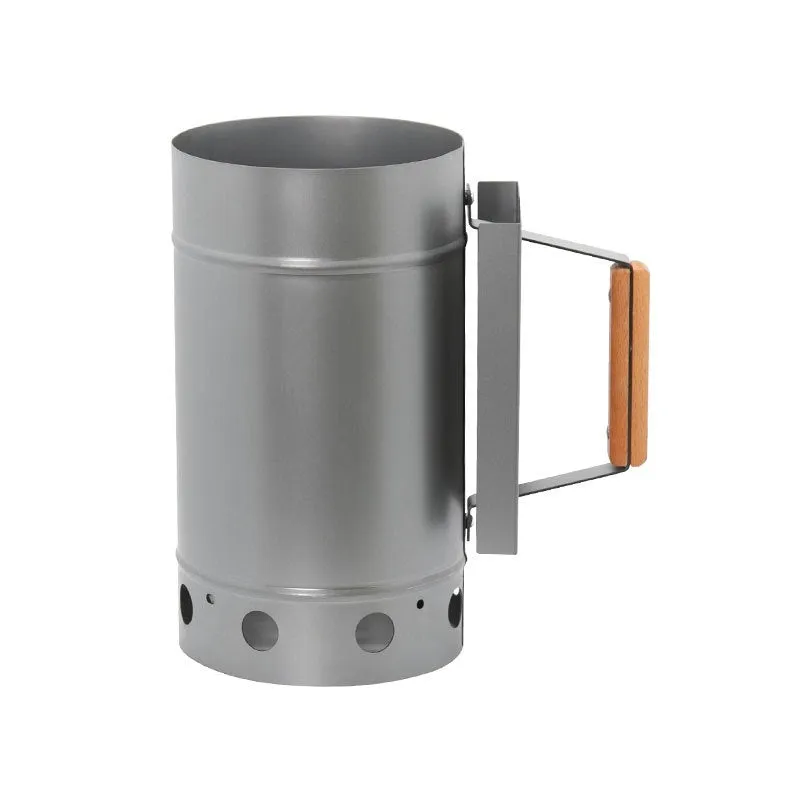
The value of this product lies in its specialised function and the practical advantages it offers over improvised ignition methods. It addresses specific pain points in the charcoal lighting process.
Reuse and Low Maintenance
As a metal tool, the fire starter is designed for reuse over multiple barbecue sessions. The zinc-iron alloy construction suggests it requires minimal maintenance beyond allowing it to cool fully and ensuring it is stored in a dry place to prevent rust. There are no consumable parts mentioned, meaning the unit itself is the only item needed for operation, aside from the initial fuel placed inside the bucket.
Why Choose This Product
Choosing this fire starter is a decision based on wanting a dedicated, reliable tool for charcoal ignition. It removes variables from the lighting process, such as wind affecting a bed of kindling or the uneven burn of paper. The four-hour thermal output provides ample time for even the slowest-burning charcoal to catch fully, reducing the likelihood of a failed ignition that wastes fuel and delays cooking. It represents a one-time purchase aimed at improving the consistency and ease of a recurring task.