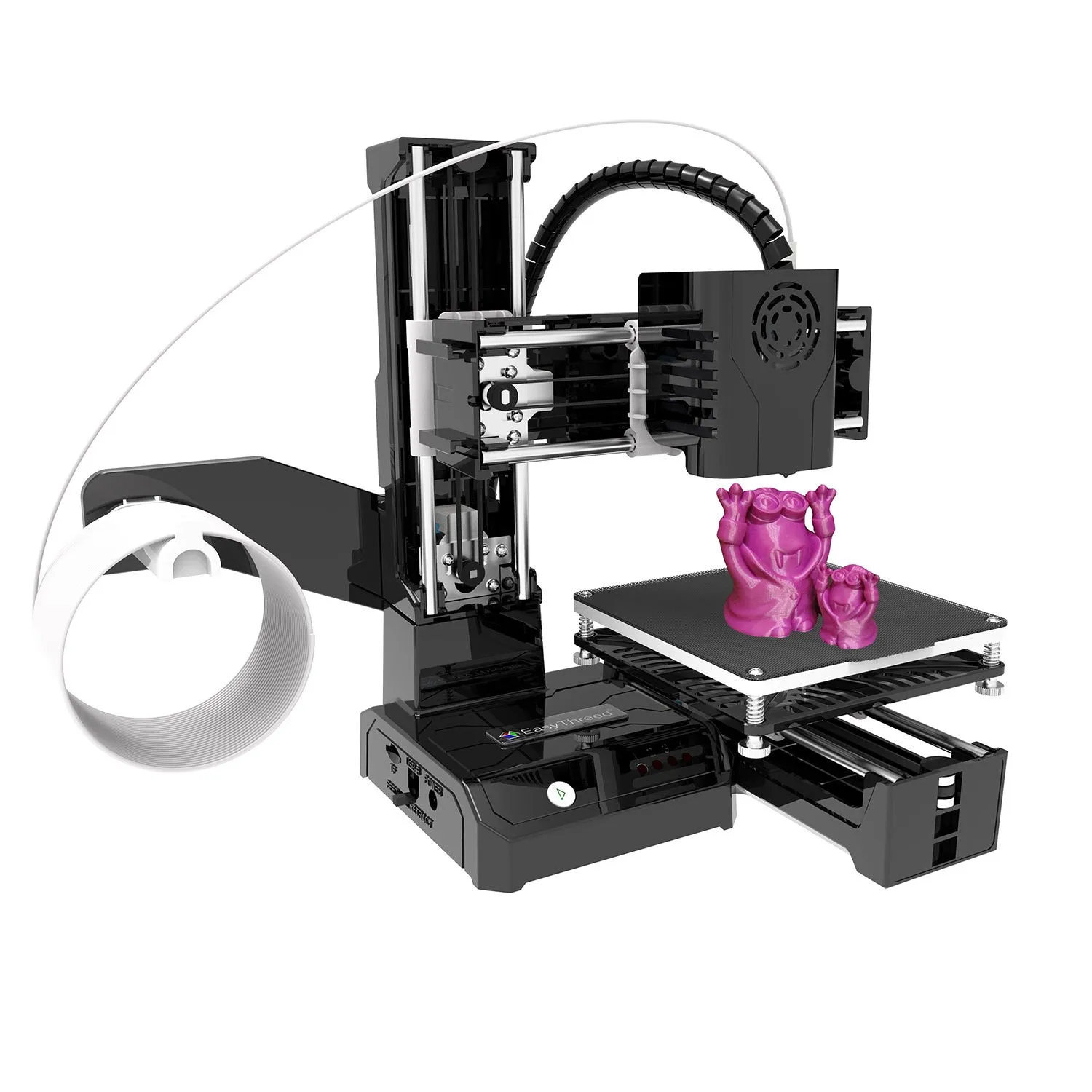
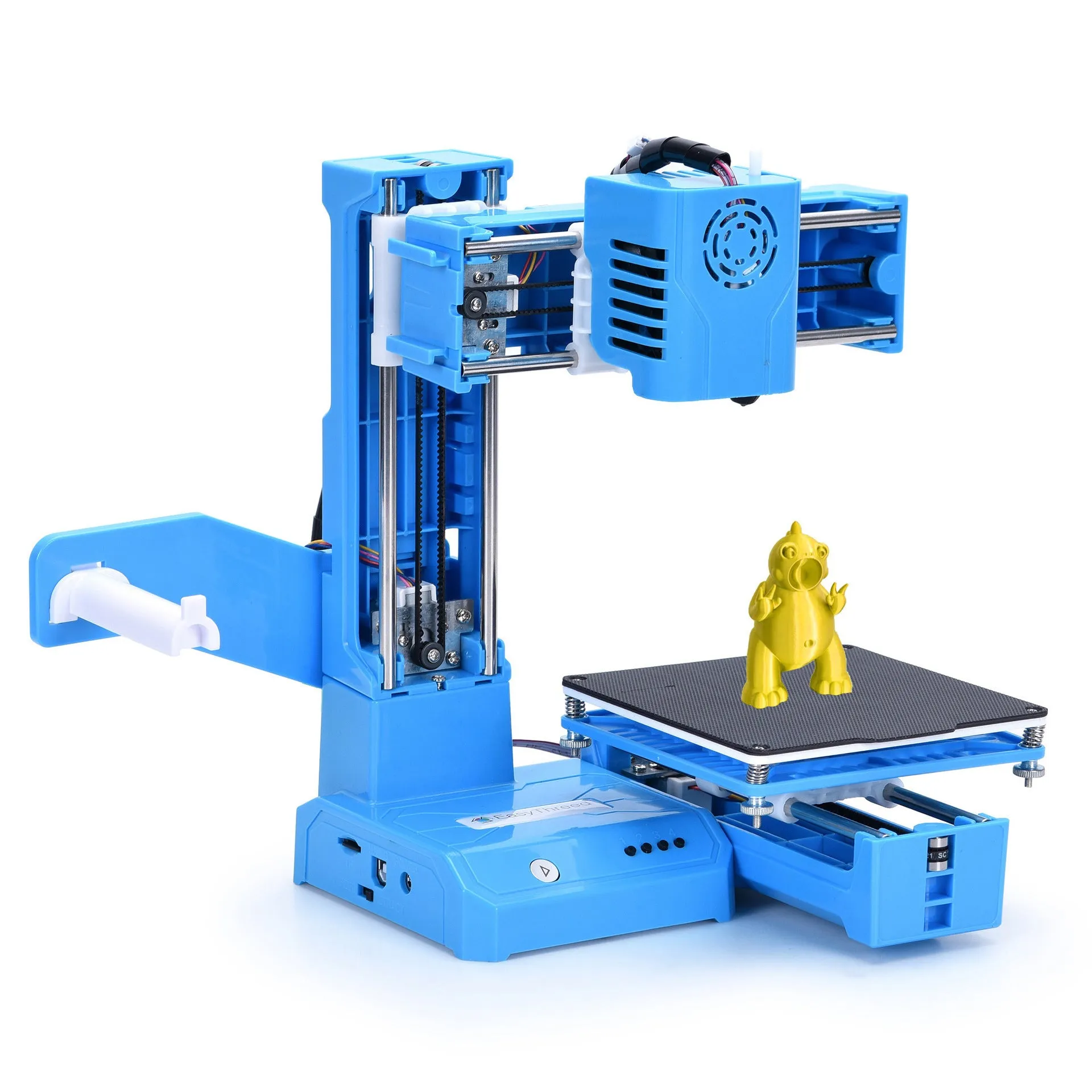
FDM 3D printer with 100x100mm print size uses PLA filament and features 0.4mm layer thickness suitable for hobbyist model making and educational projects in multiple plug standard colours


FDM 3D printer with 100x100mm print size uses PLA filament and features 0.4mm layer thickness suitable for hobbyist model making and educational projects in multiple plug standard colours
FDM 3D printer with 100x100mm print area for PLA filament model making
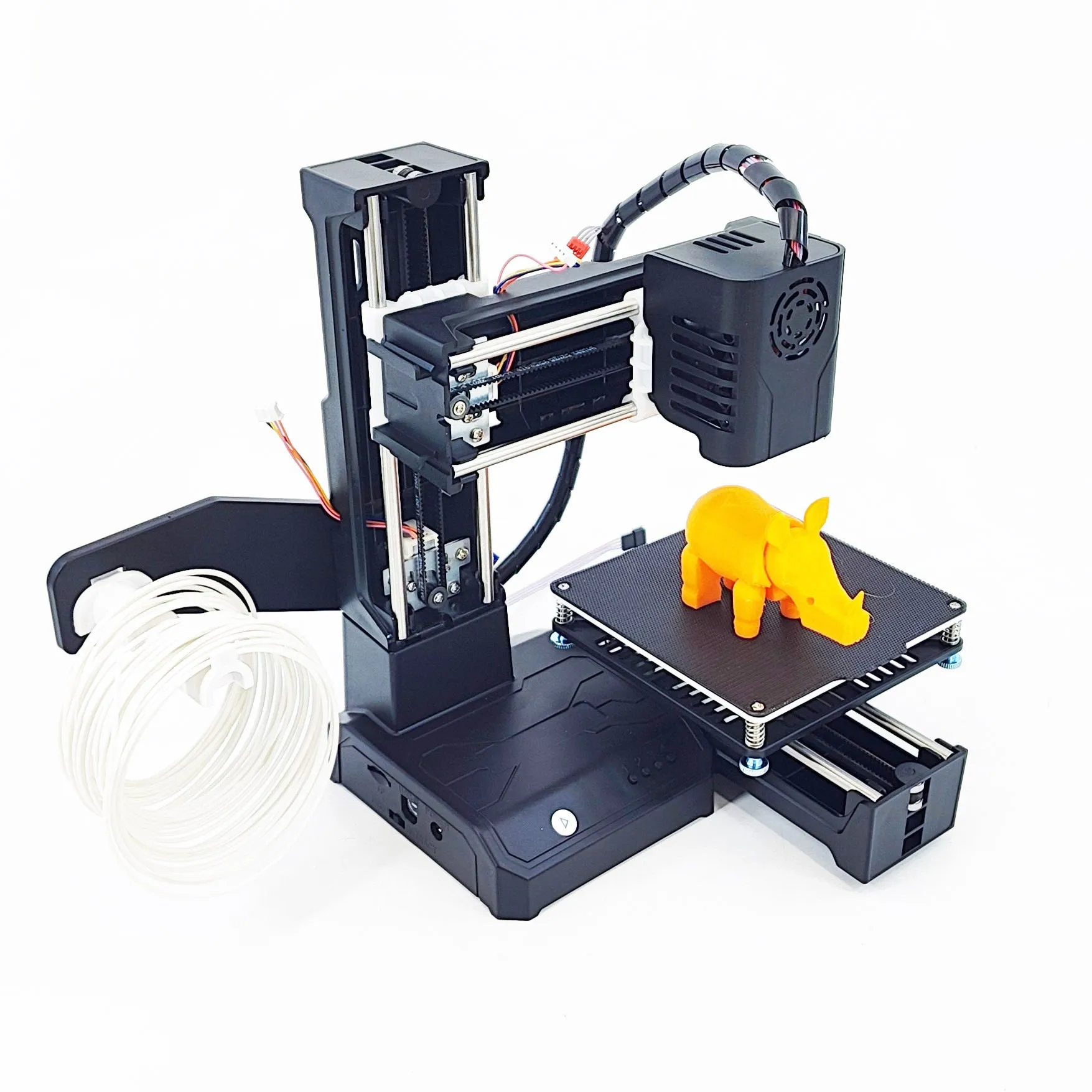
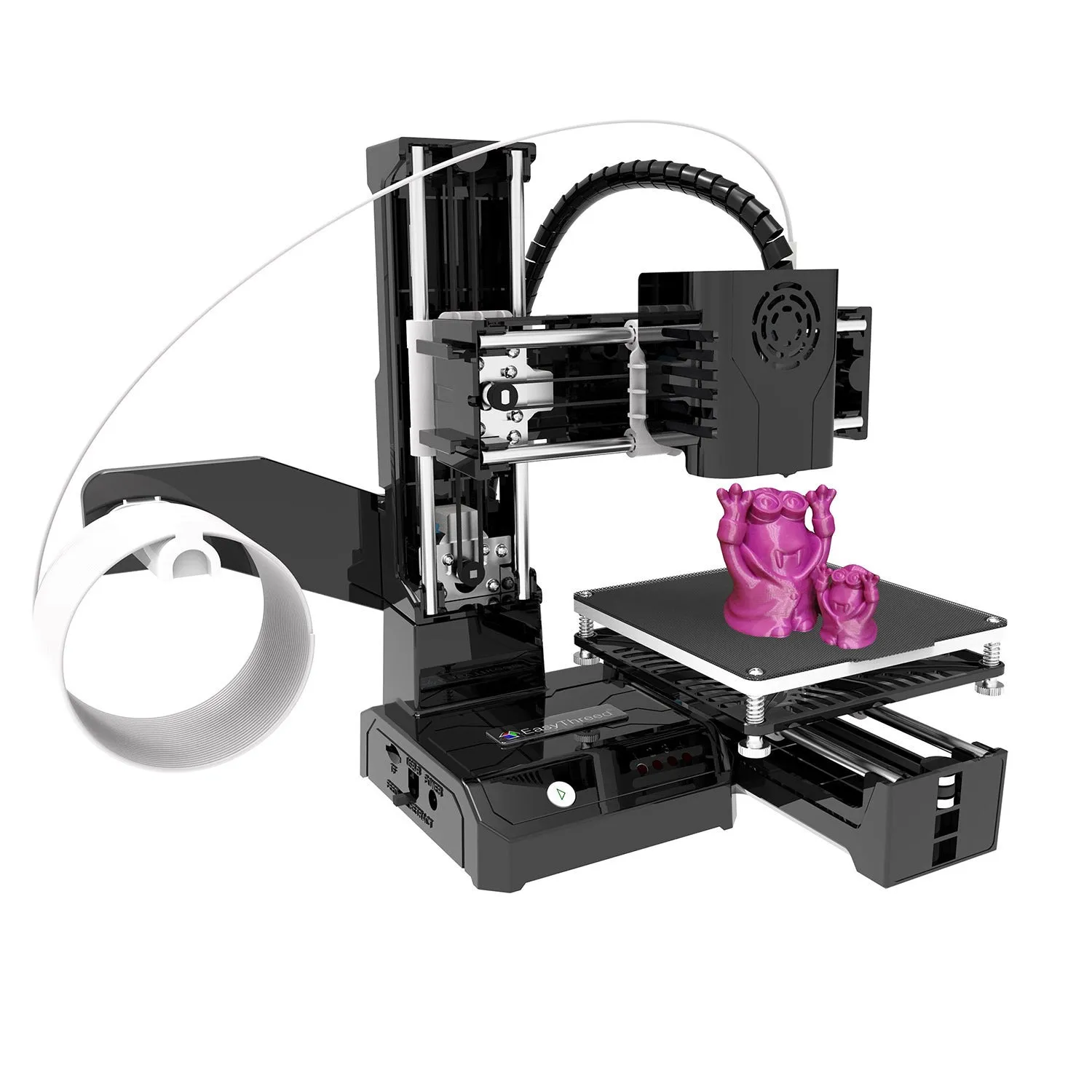
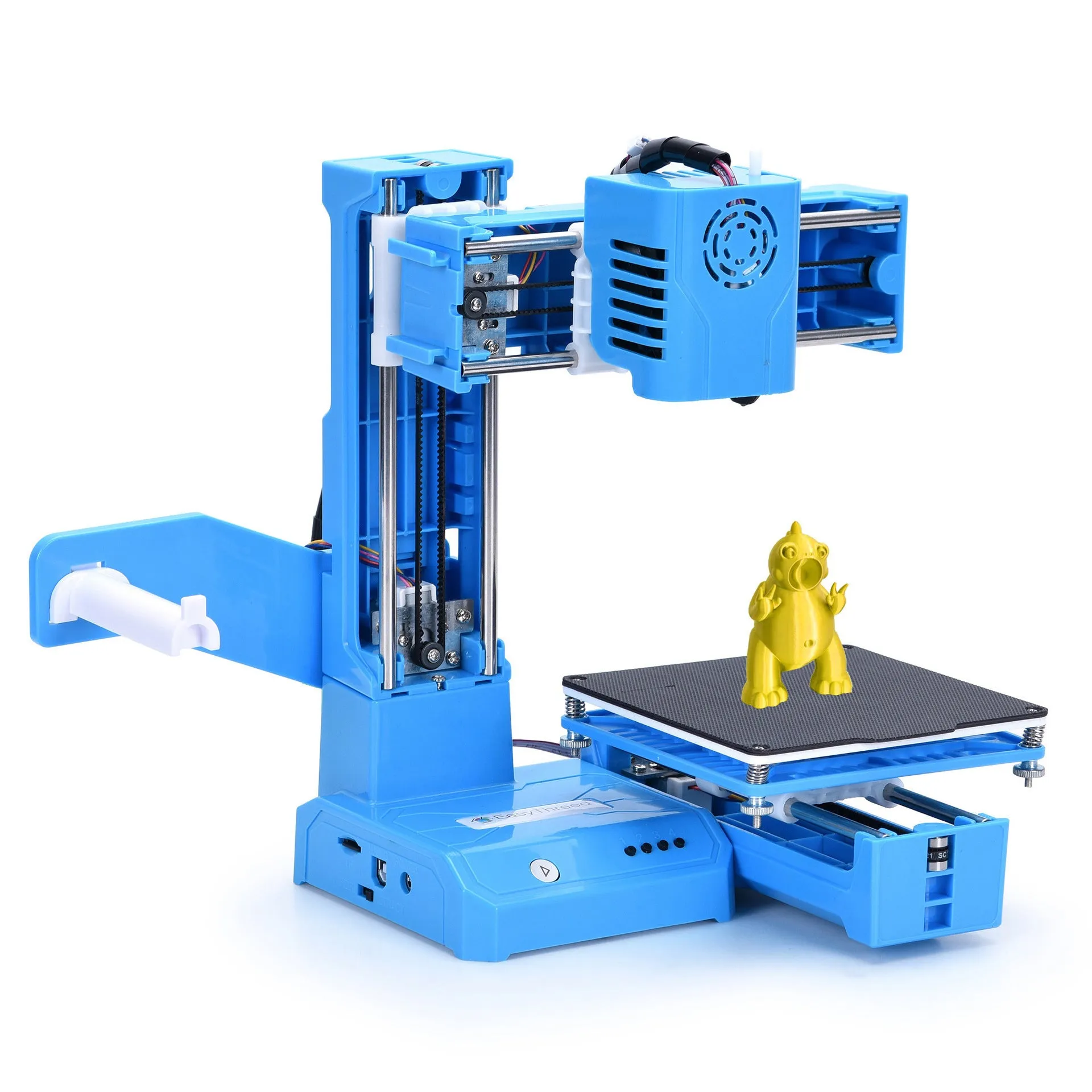
This compact FDM (Fused Deposition Modeling) 3D printer provides an accessible entry into creating physical objects from digital designs. With its 100x100mm print size, it's specifically suited for producing small-scale models, prototypes, and educational projects. The printer operates using PLA filament material through standard FDM technology, requiring 12V input voltage for power. It offers practical functionality for hobbyists, students, and beginners looking to explore basic 3D printing applications without complex setup requirements.
Features and Construction
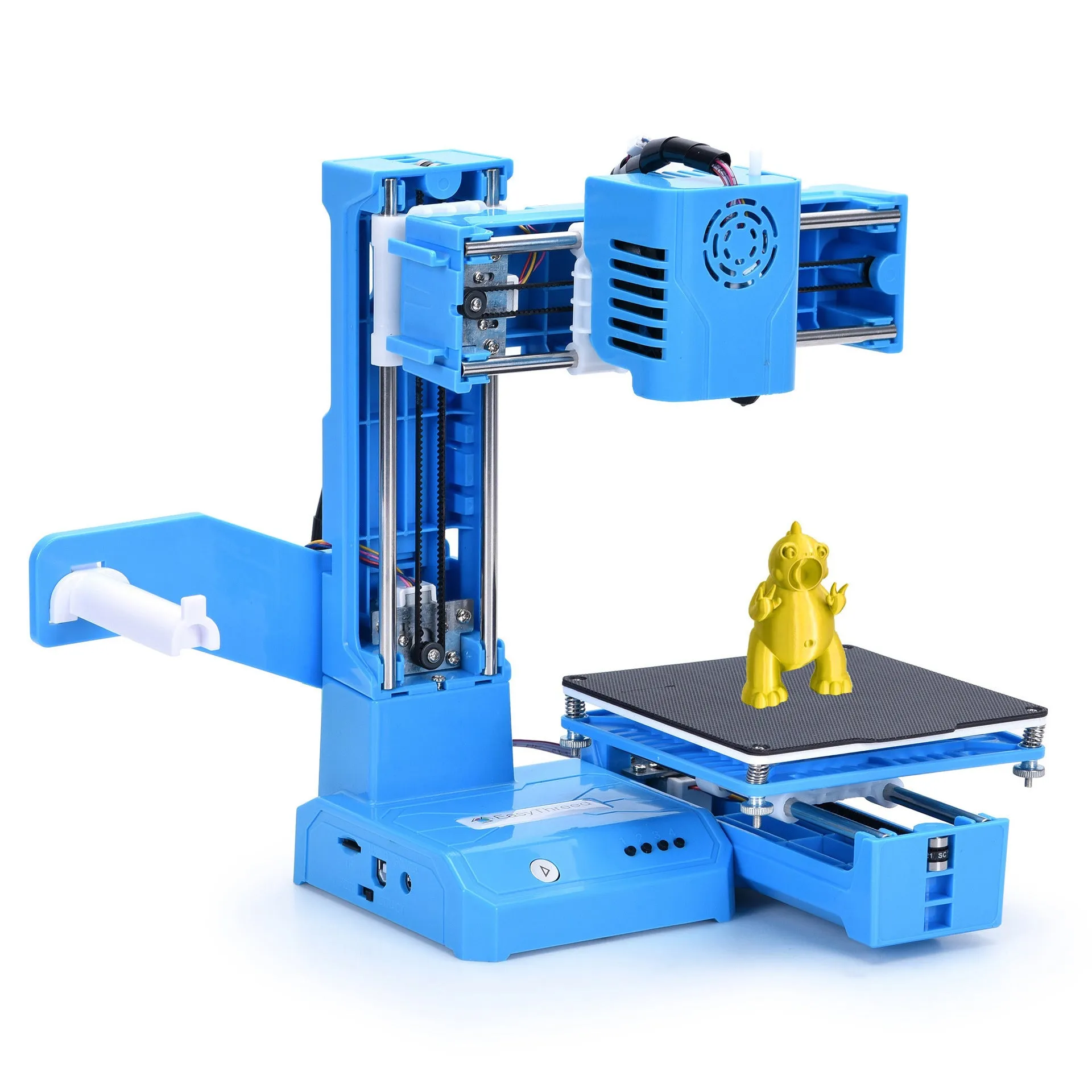
The printer's design focuses on fundamental 3D printing capability with specifications that support entry-level model creation and learning applications.
Material and Build
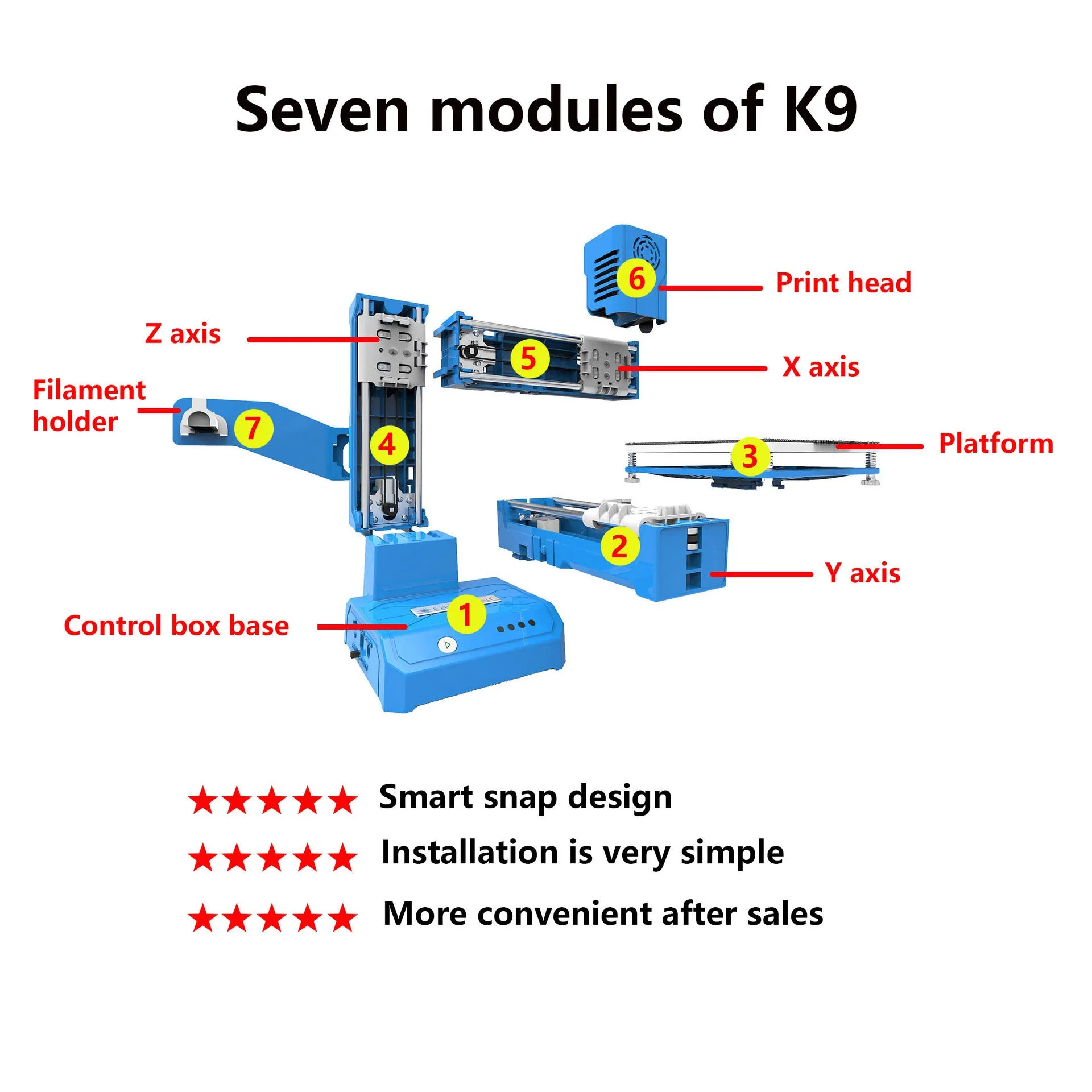
This printer utilises FDM (Fused Deposition Modeling) technology specifically configured for PLA filament material. The construction supports standard PLA printing processes without requiring specialised material handling. The nozzle system operates at 40mm/s flow rate, providing consistent material deposition for the specified print applications. Components are designed to work with PLA's thermal properties and extrusion characteristics.
Size and Practical Fit
The printer features a 100x100mm print area, determining the maximum dimensions of objects it can produce in a single print job. This size makes it suitable for creating small models, prototype components, educational demonstrations, and hobbyist projects that don't require larger build volumes. The compact print area contributes to the printer's overall footprint, though exact external dimensions aren't specified. This size balance offers enough space for meaningful projects while maintaining manageable equipment scale.
Uses and Placement
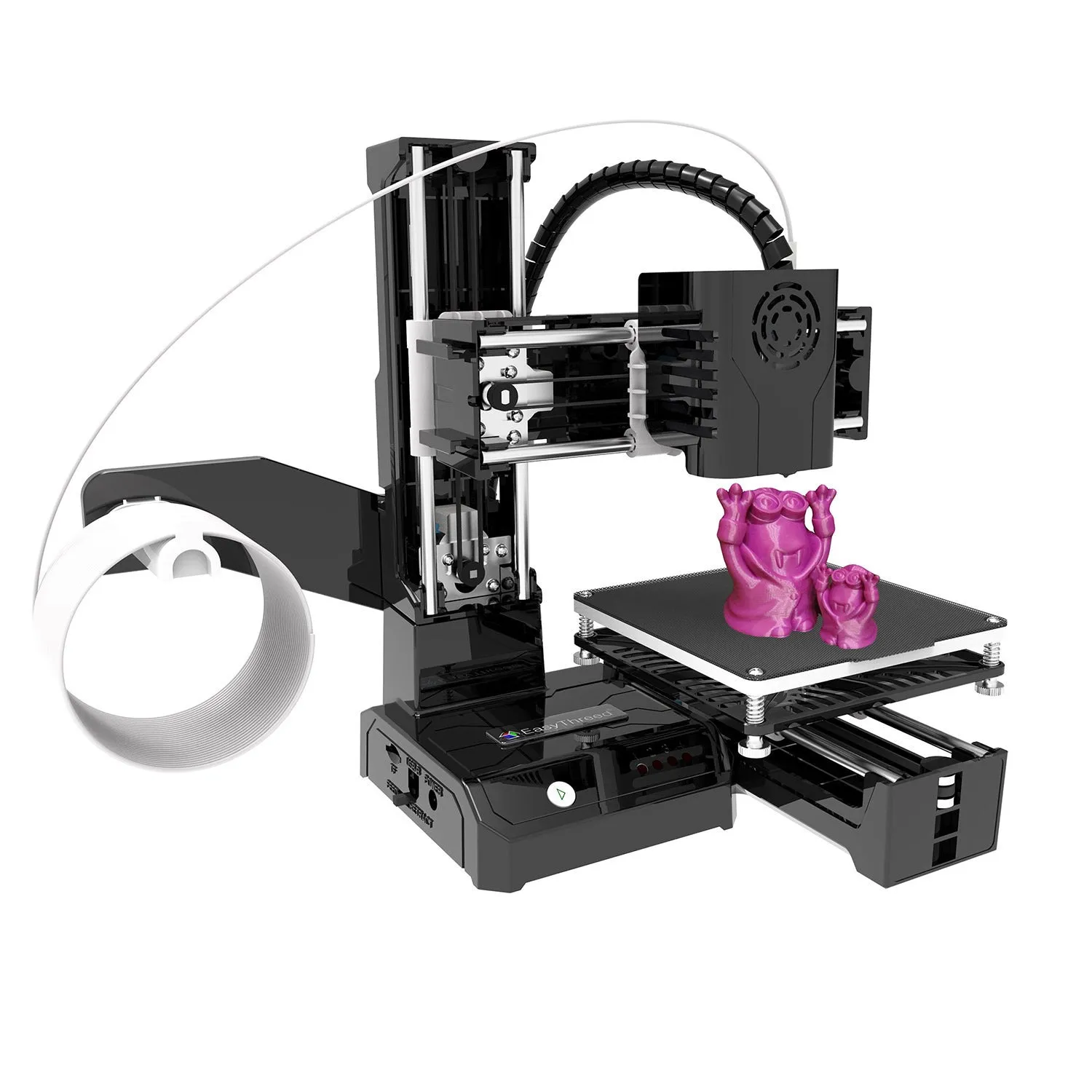
The printer's specifications support several practical applications ranging from educational purposes to hobbyist model creation and small prototype development.
Event or Professional Use
For educational environments, this 3D printer can demonstrate basic additive manufacturing principles with its visible FDM process and PLA material use. In workshop settings, it enables rapid prototyping of small components or models without requiring industrial-scale equipment. The multiple plug standard options allow for deployment in different geographical locations with appropriate electrical compatibility. The 0.4mm layer thickness provides sufficient detail for proof-of-concept models and functional demonstration pieces.
Everyday Home Use
Hobbyists can create decorative items, small replacement parts, or model components within the 100x100mm print constraints. The PLA material compatibility supports common filament types available to home users. With 12V operation, it can integrate into home workshop setups without requiring specialised power arrangements. The straightforward FDM technology reduces the learning curve for beginners exploring 3D printing as a creative or practical hobby.
Benefits and Buying Value

The printer offers specific advantages for those seeking introductory 3D printing capability with clear parameters about what can be achieved.
Reuse and Low Maintenance
The FDM technology with PLA compatibility utilises widely available filament materials that users can source from multiple suppliers. Standardised components support straightforward maintenance approaches common to entry-level 3D printers. The specified operating parameters provide clear boundaries for expected performance, helping users manage maintenance expectations. Multiple plug standard options ensure electrical compatibility in different regions, reducing adaptation requirements.
Why Choose This Product
This printer provides defined 3D printing capability with explicit specifications about print size, material compatibility, and technical parameters. The 100x100mm build area offers practical space for small projects while maintaining equipment manageability. PLA filament support aligns with commonly available materials for continued project development. Clear specifications about layer thickness, nozzle speed, and voltage requirements help users understand exactly what the equipment offers before purchase.